How to Use a Cat Breed Identifier App: What to Look & Avoid
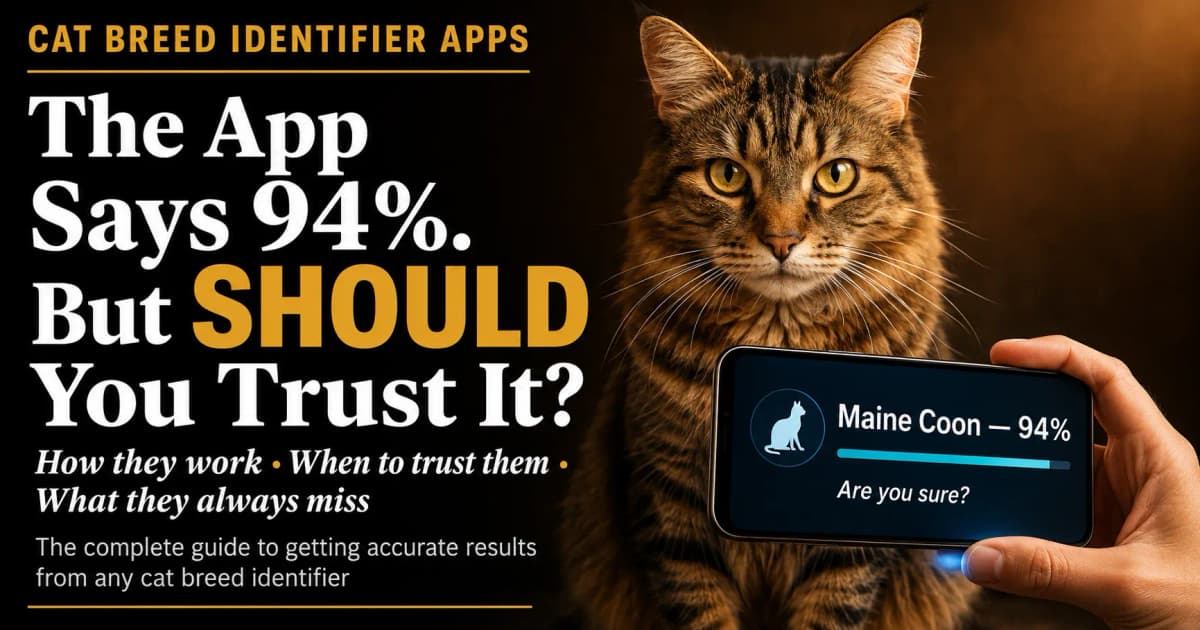
A cat breed identifier app can be a powerful first step — or a source of confident misinformation. Here is how these tools actually work and how to get reliable results.
In-depth articles on cat breeds, breed identification, AI tools, and everything you need to understand your feline companion.
A cat breed identifier app can be a powerful first step — or a source of confident misinformation. Here is how these tools actually work and how to get reliable results.
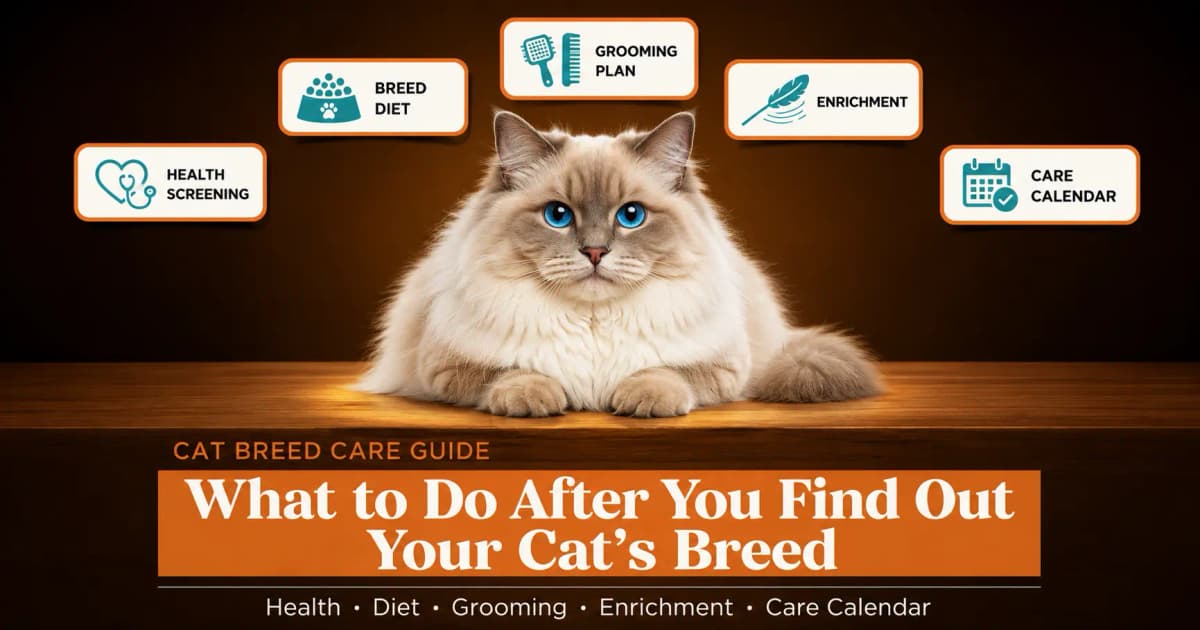
Finding out your cat's breed is satisfying. Knowing what to do with that information is where it actually becomes useful. Here is how breed knowledge changes health monitoring, diet, enrichment, and care — practically and specifically.
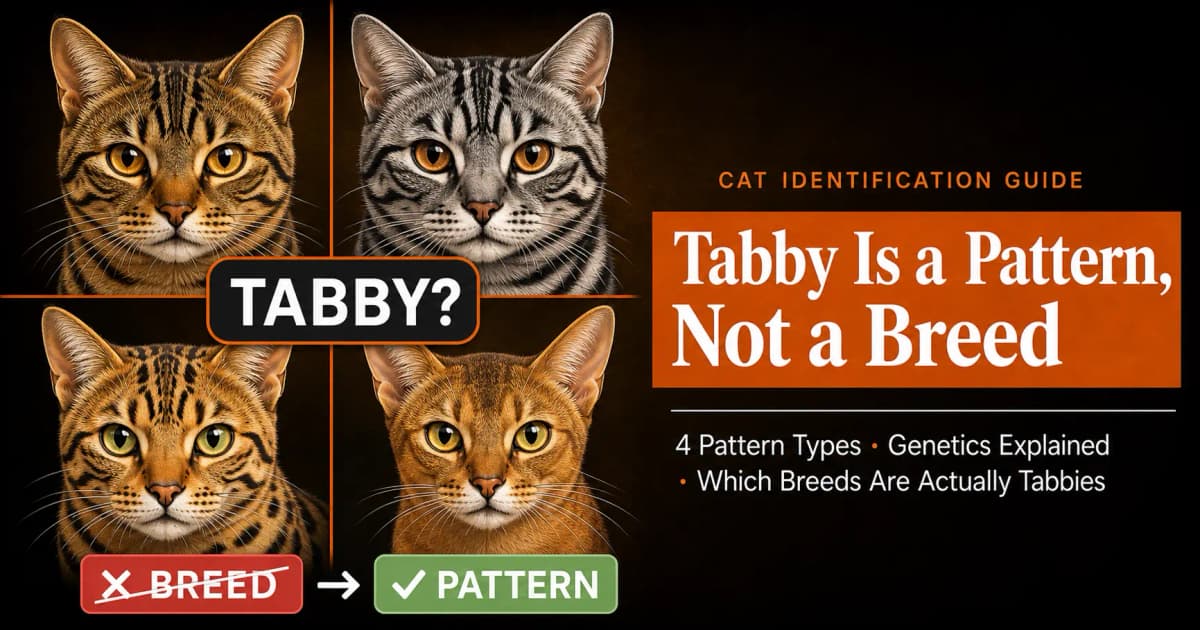
Almost every cat owner has called their cat a tabby. Most of them are wrong about what that word means. Tabby is a coat pattern — not a breed — and understanding the difference changes how you identify any striped or spotted cat.
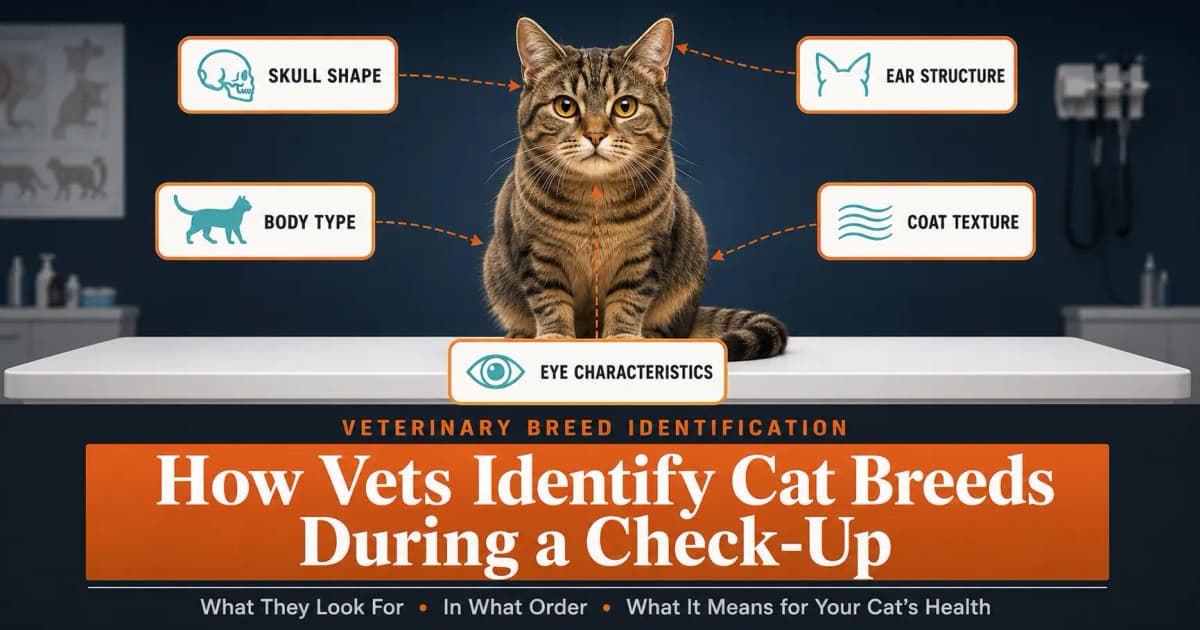
Veterinarians read cat breeds differently from owners. They use a structured anatomical assessment built on years of clinical pattern recognition. Here is exactly what they look at — and how you can apply the same thinking.
Kittens change fast — but breed clues are already present if you know where to look. Learn how to identify your kitten's breed before it fully develops.
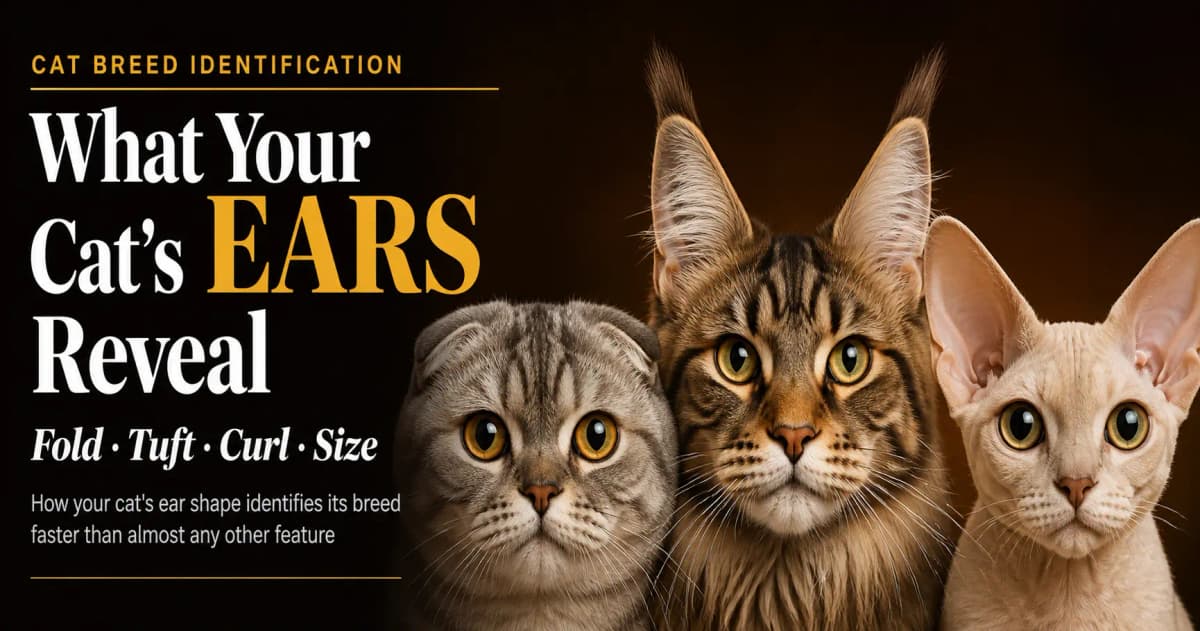
Ear shape is one of the earliest and most stable breed signals on any cat. Learn how cat ear shape reveals breed — from folded to tufted to dramatically oversized.
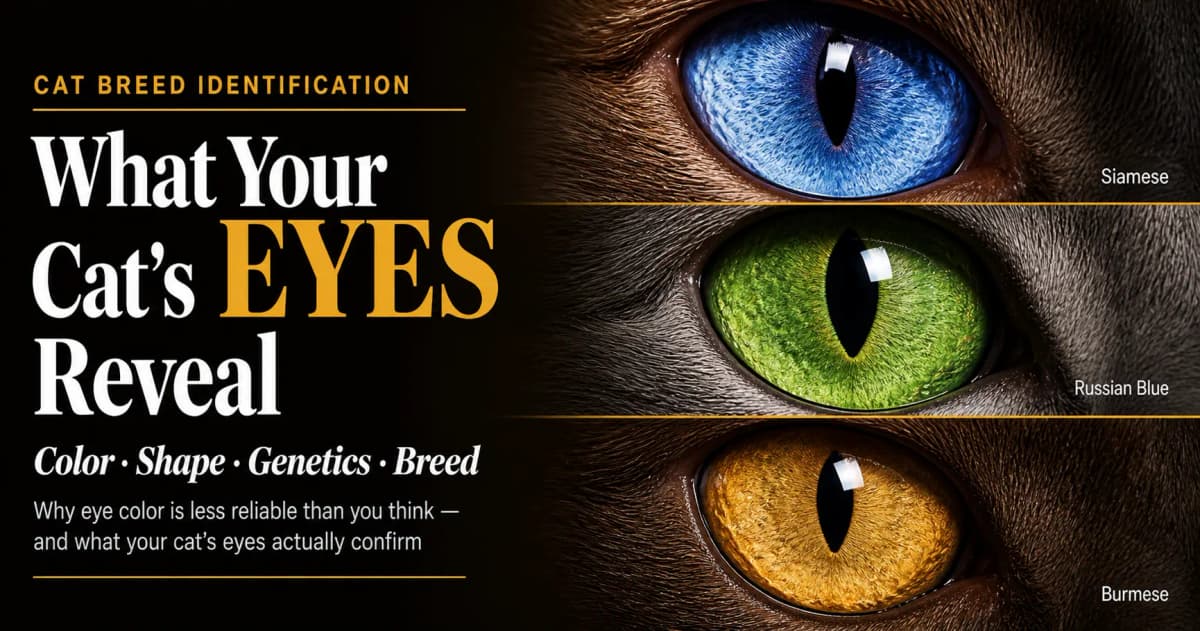
Cat eye color breed genetics are more linked than most owners realise — but eye color alone is less reliable than you think. Learn what the eyes actually confirm.
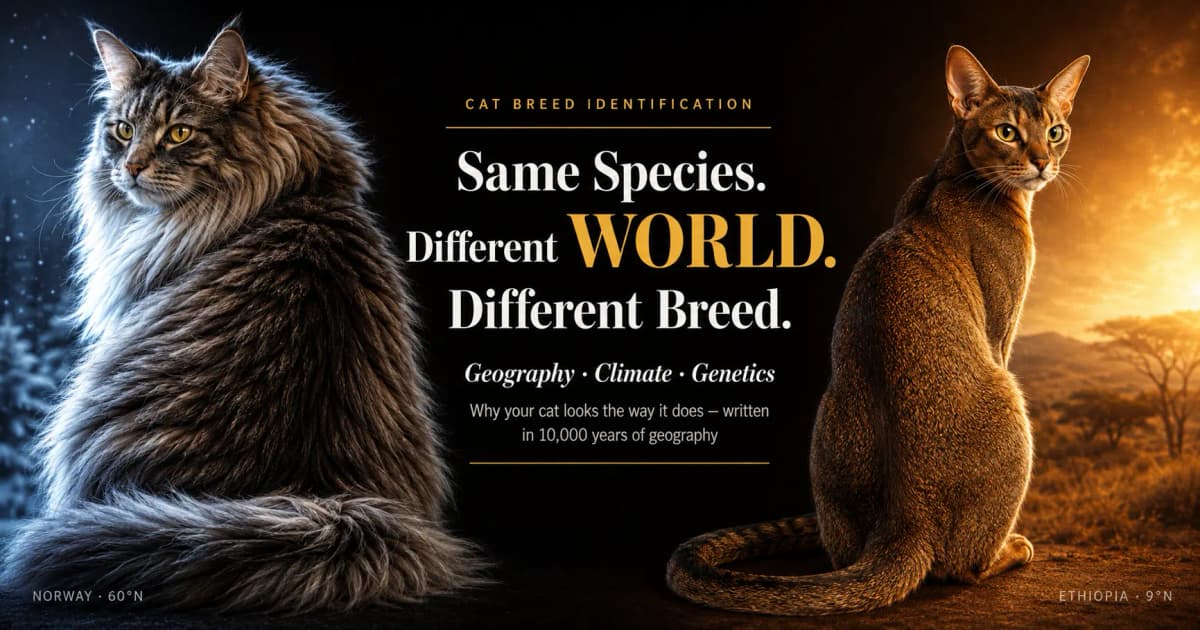
Cat breeds by country of origin reveal more than history. Climate, isolation, and trade routes shaped the coat, frame, and face your cat carries today. Here is the full breakdown.
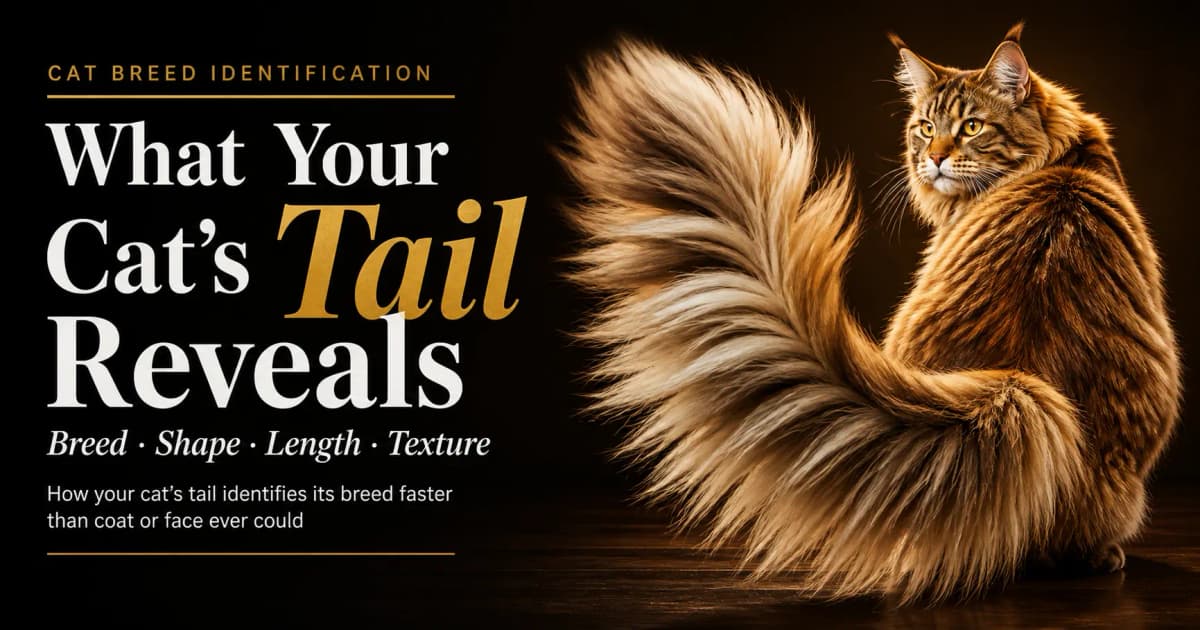
Your cat's tail carries breed signals most owners never think to read. Learn how tail shape, length, texture and carriage work as a cat tail breed identifier.
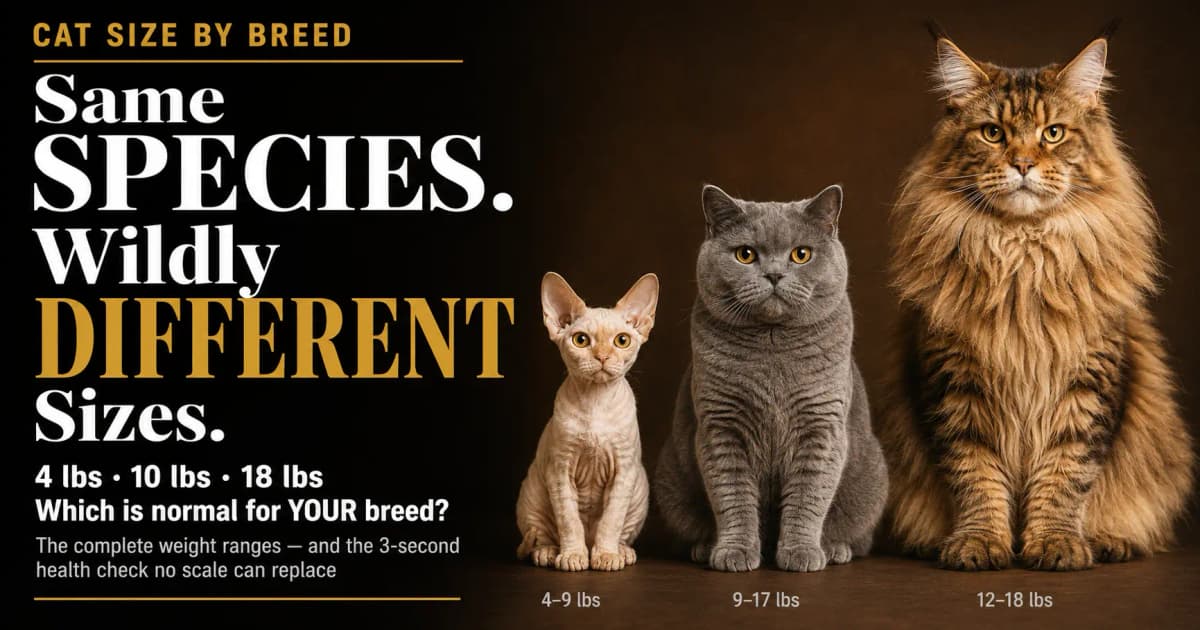
Cat size by breed varies dramatically — from 4 lb Singapuras to 18 lb Maine Coons. Here are the actual weight ranges, what healthy looks like, and what size tells you about breed.
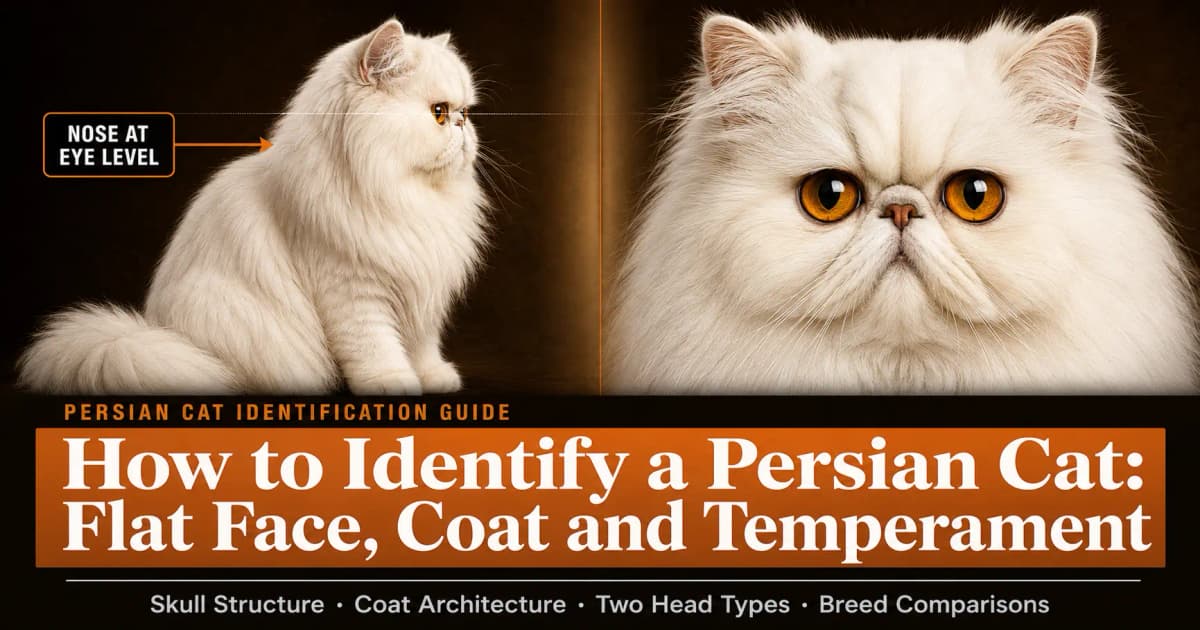
Identifying a Persian cat goes beyond a flat face and long fur. The skull structure, coat architecture, eye placement, and behavioral temperament all tell a consistent story — once you know exactly what that story looks like.
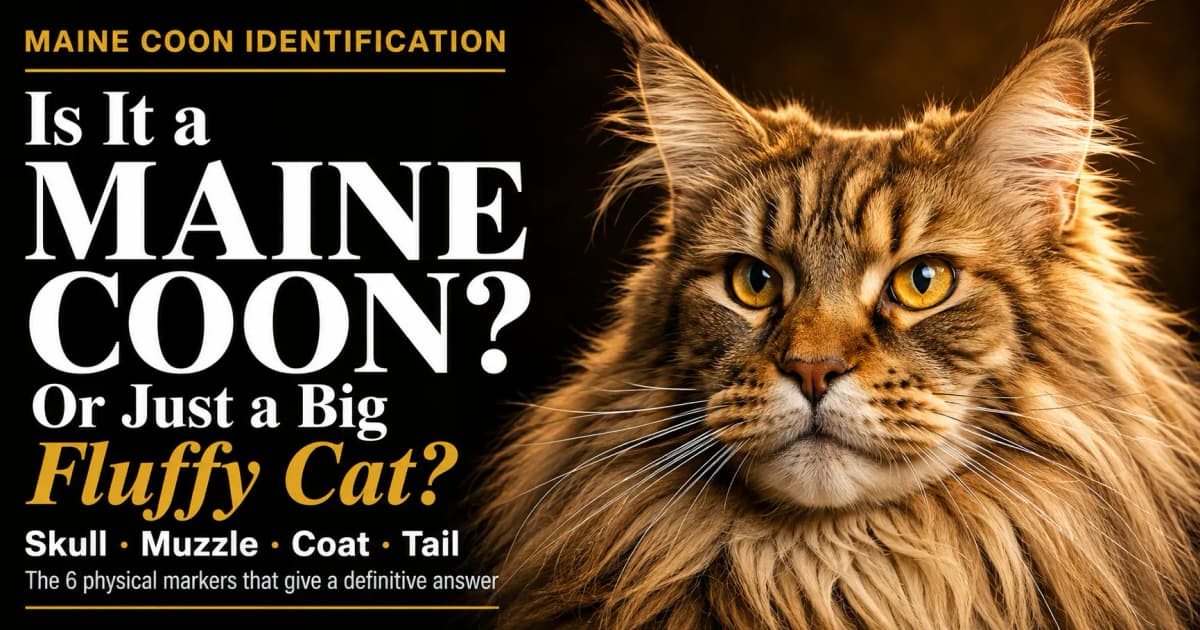
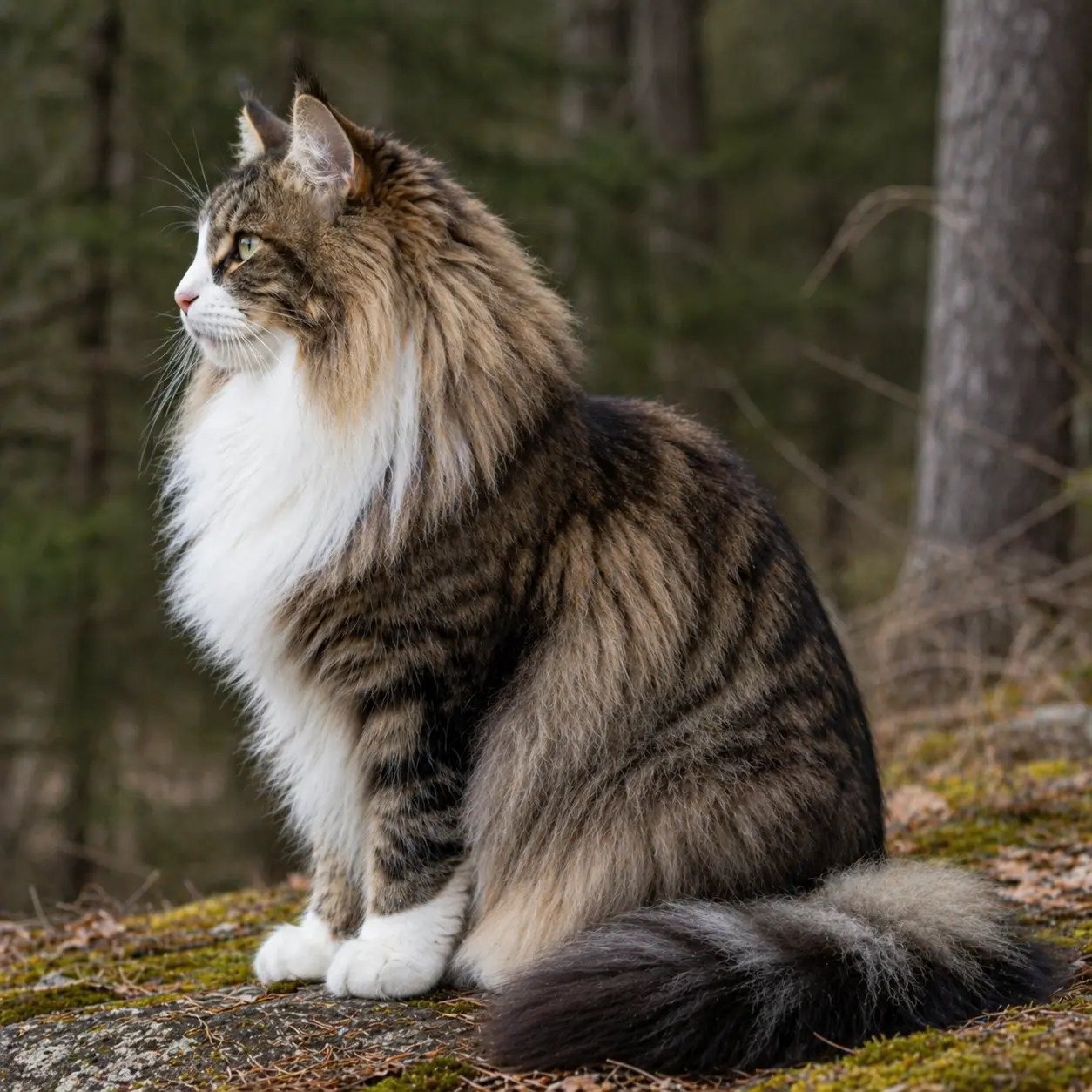
Most big fluffy cats are not Maine Coons — but genuine Maine Coon genetics are more common than shelters admit. Here is how to identify Maine Coon cat traits accurately.
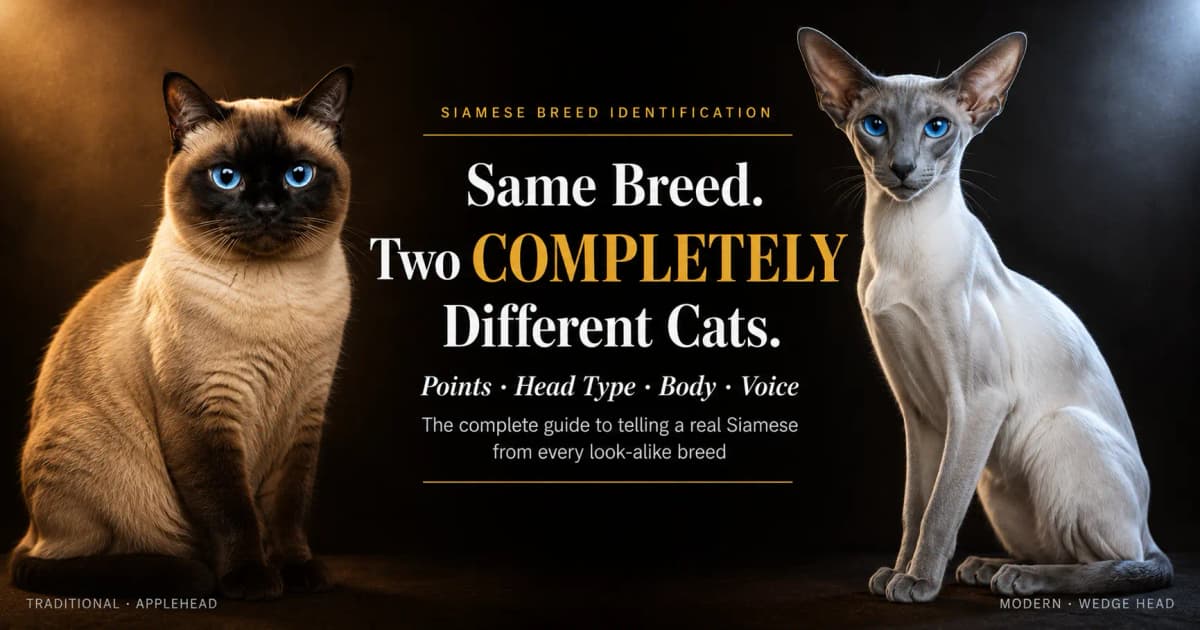
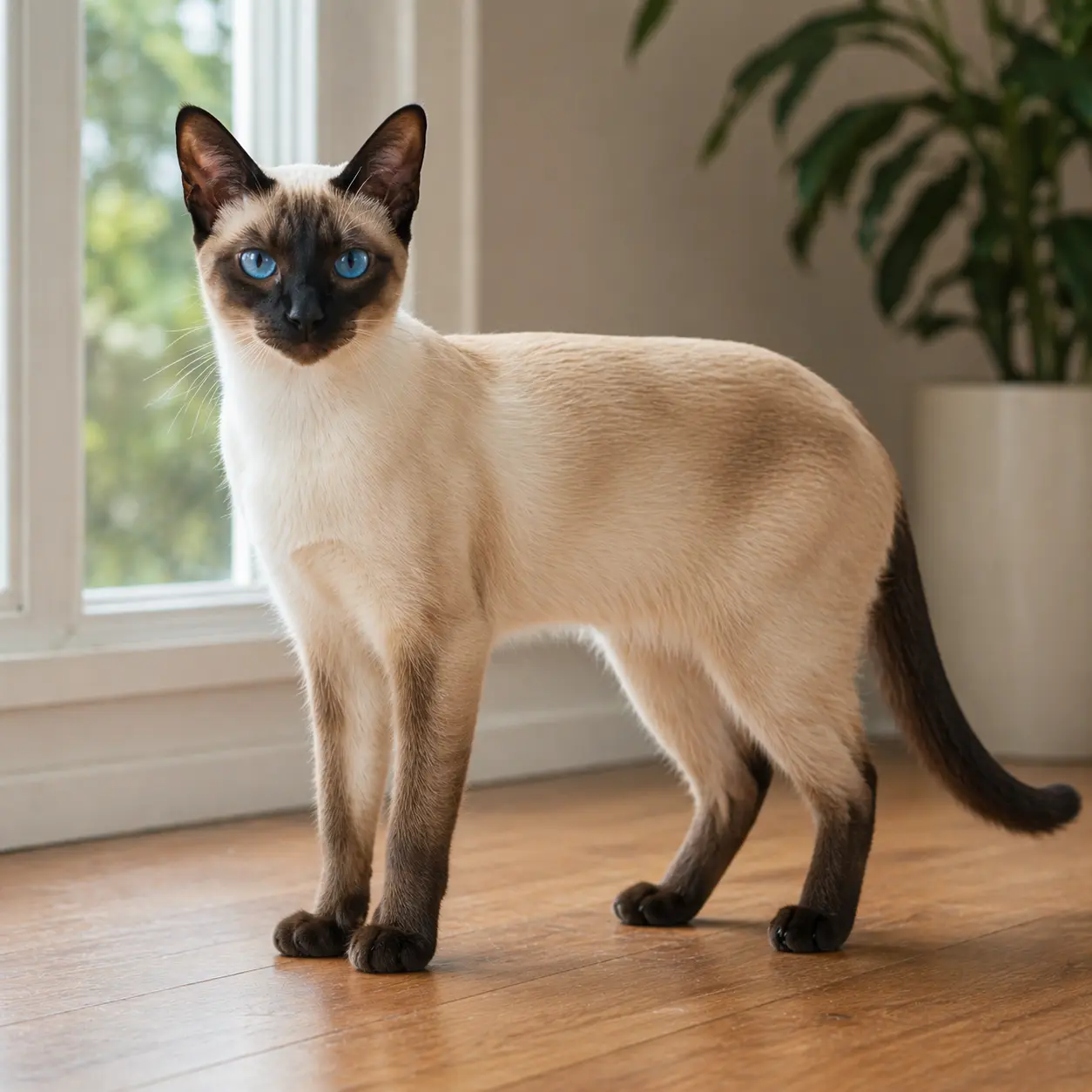
Learning to identify Siamese cat traits goes beyond blue eyes and dark points. Here is exactly what the colorpoint pattern, head type, and body structure tell you about Siamese ancestry.
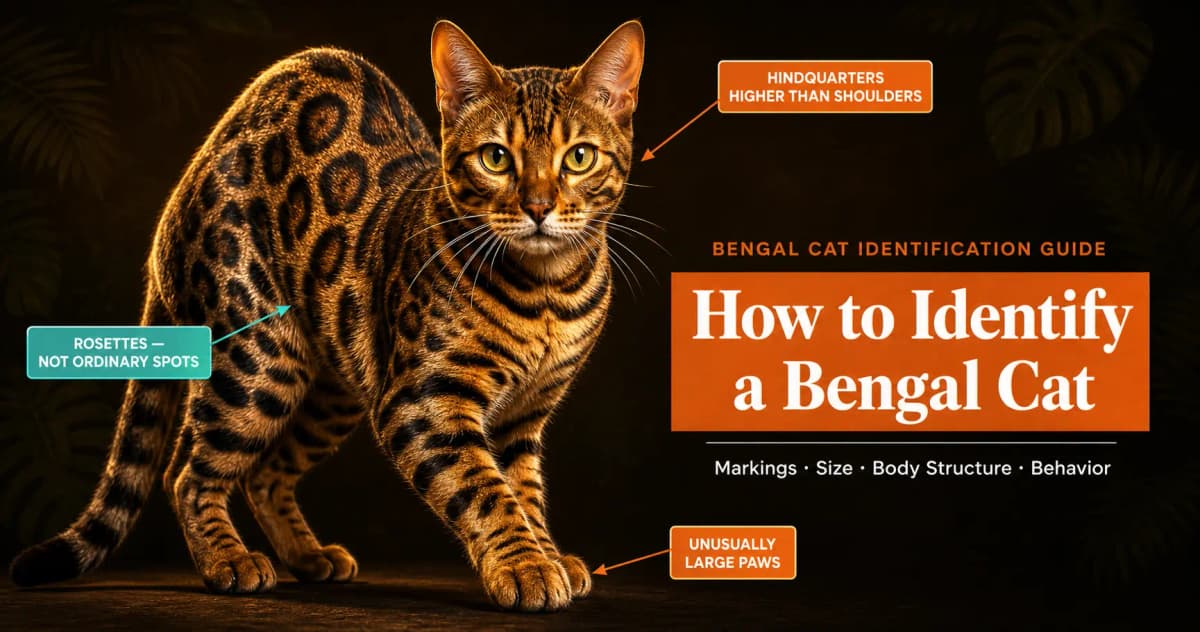
Bengals look like miniature leopards and behave like nothing else in the domestic cat world. Here is how to identify a Bengal cat — and tell a true Bengal from a spotted tabby or a Bengal mix.
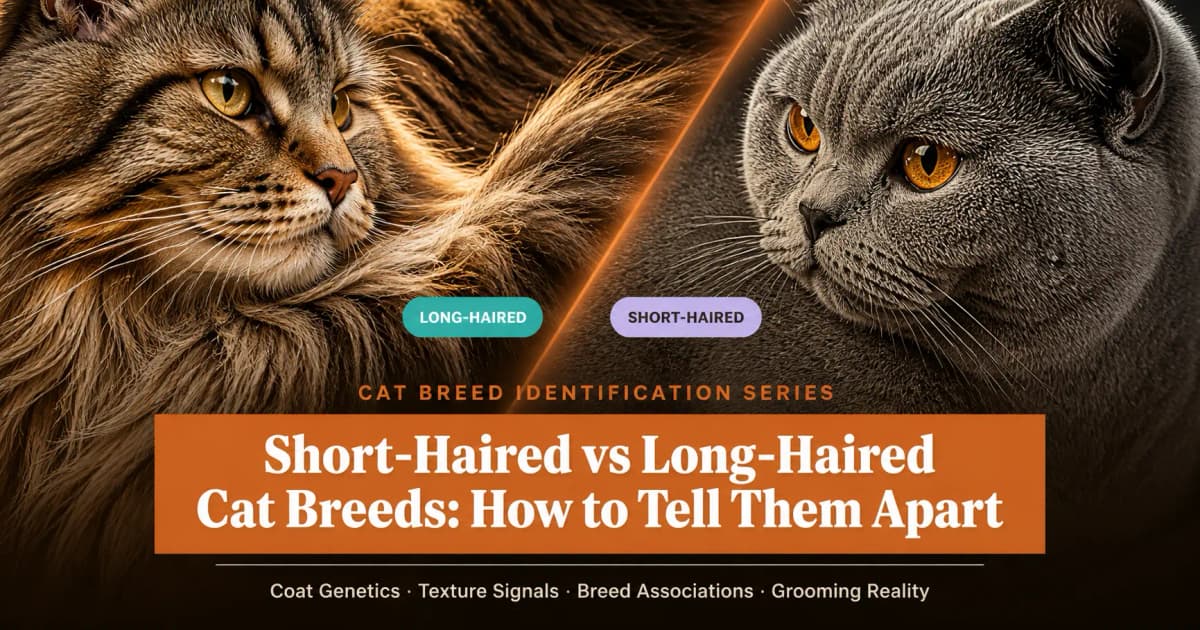
Coat length is not just a grooming consideration. It is a genetic signal, a breed indicator, and a window into your cat's ancestry. Here is everything coat length tells you — and what it does not.
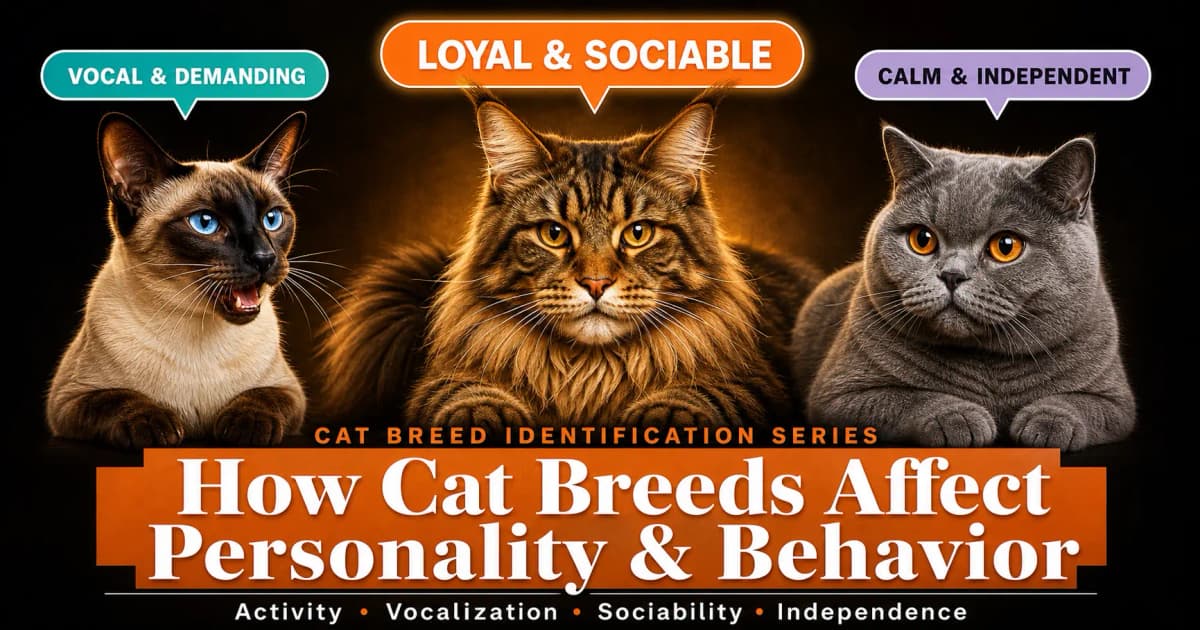
Your cat is not just randomly wired. Breed genetics shape activity level, vocalization, sociability, and independence in measurable ways. Here is what the science and experience of cat ownership actually show.
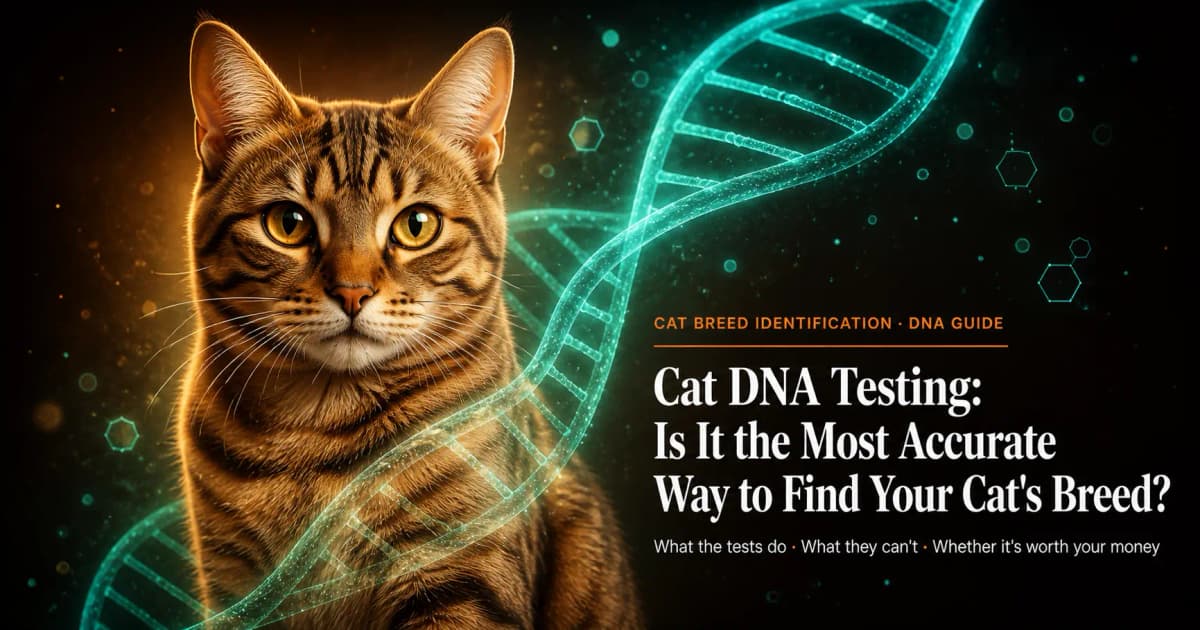
DNA tests for cats promise definitive breed answers. Some deliver. Others disappoint. Here is what cat DNA testing actually does, what it cannot do, and whether it is worth your money.
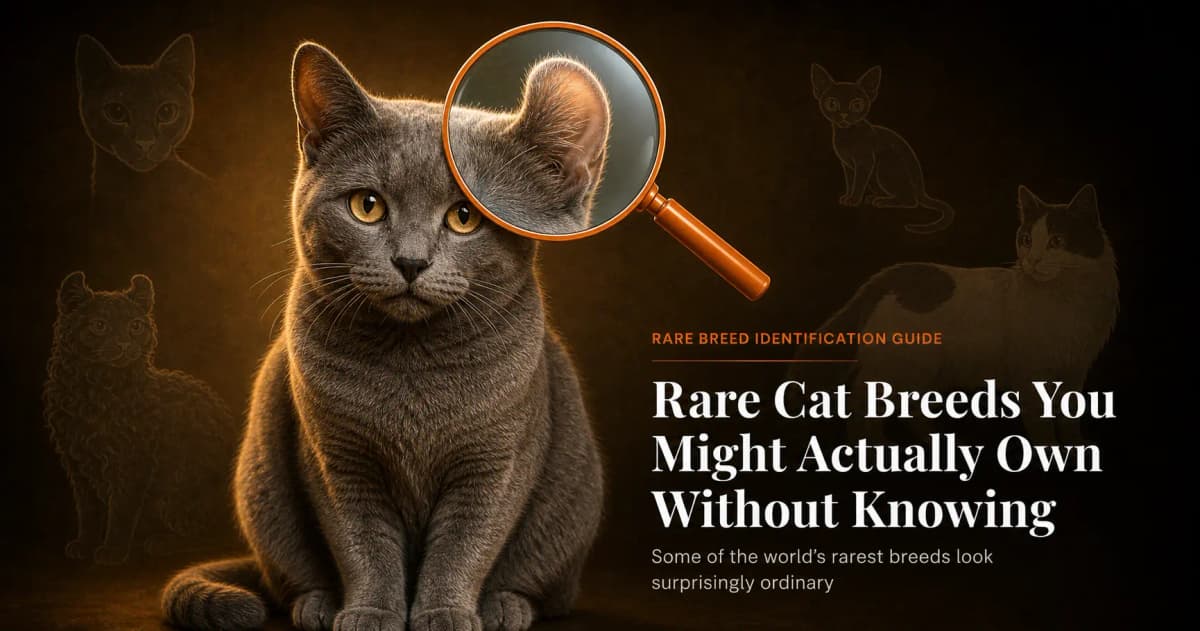
Some of the rarest cat breeds in the world look deceptively ordinary. A shelter cat you wrote off as a plain tabby might be carrying genetics from a breed with fewer than 500 registered individuals worldwide.
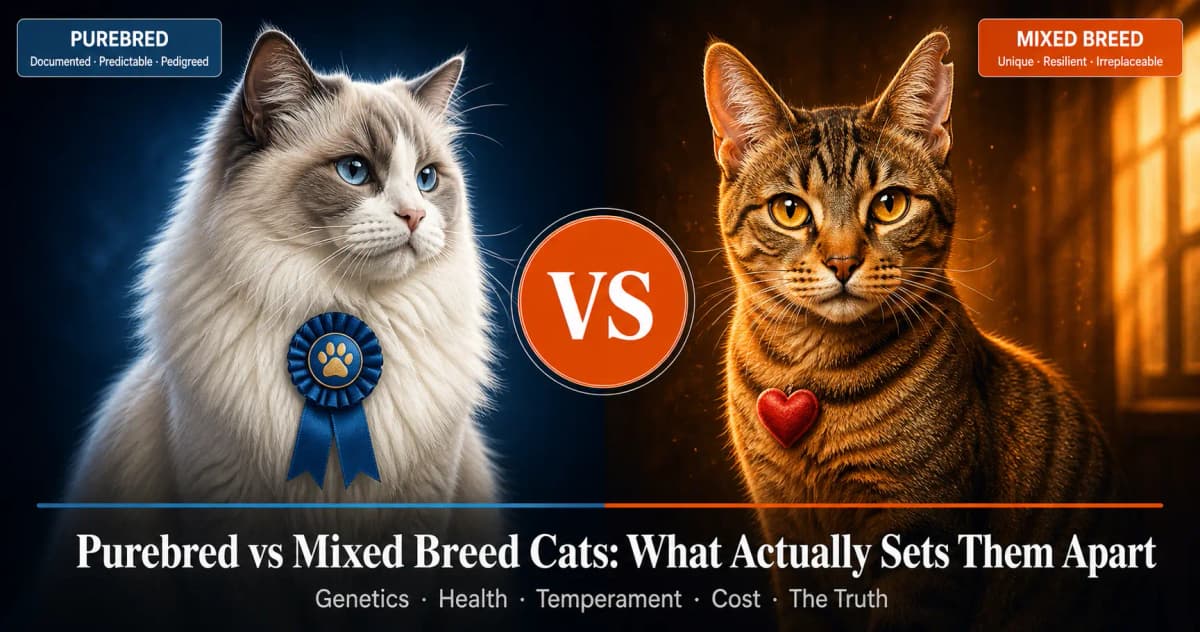
Most people think they know the difference between a purebred and a mixed breed cat. Most are partially wrong. Here is what the distinction actually means — genetically, medically, and practically.
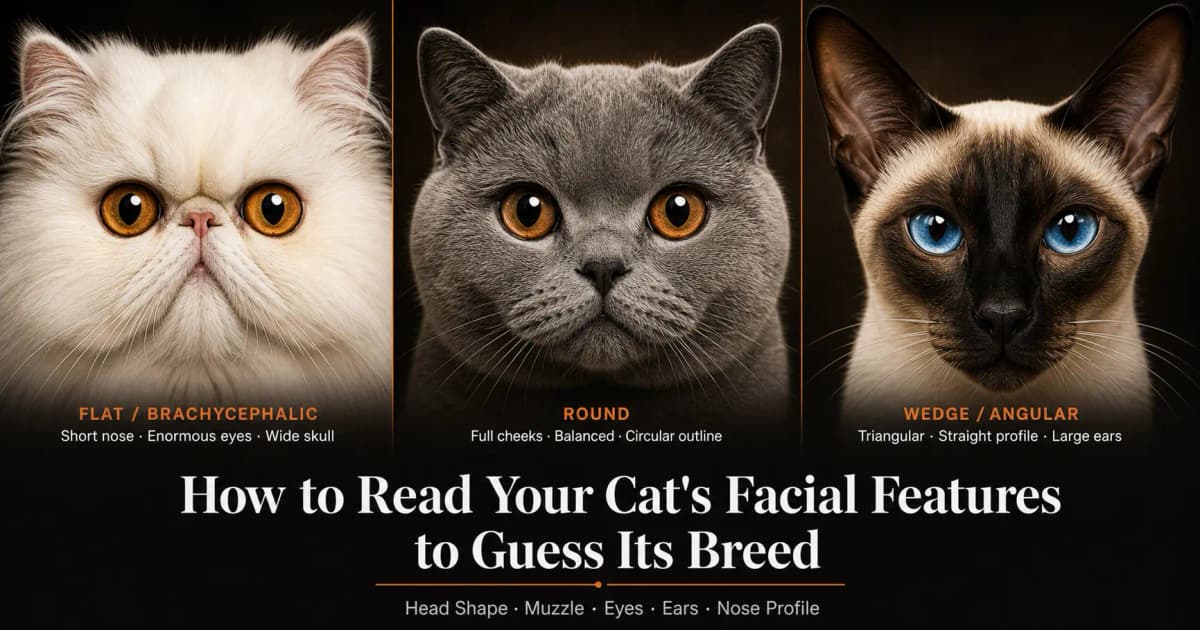
Your cat's face holds more breed information than almost any other part of its body. Head shape, nose length, eye set, ear placement — each one is a genetic fingerprint. Here is how to read them.
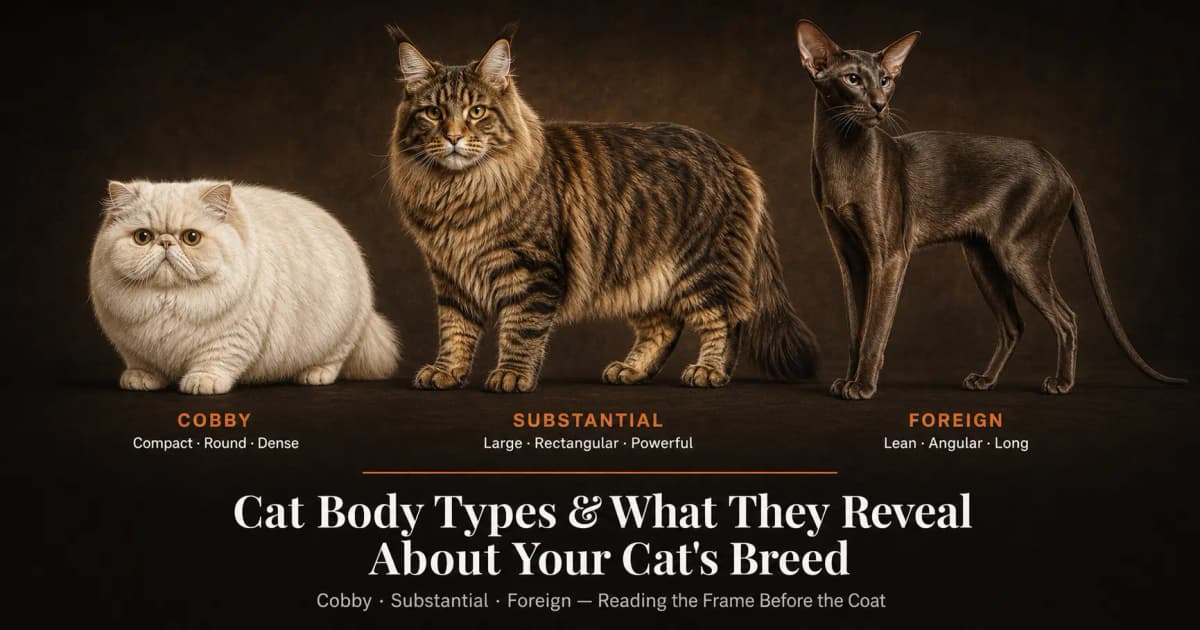
Before you look at the coat or the face, look at the frame. A cat's body type — its bone structure, leg length, chest width, and overall build — is one of the most reliable physical signals of breed ancestry available.
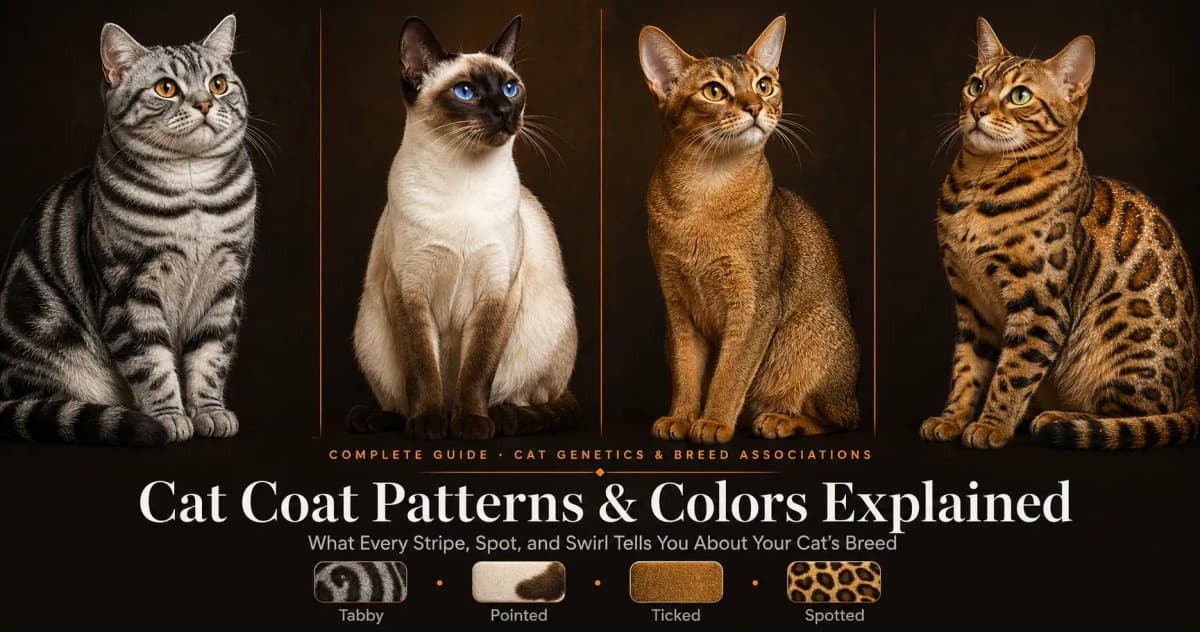
Tabby, tortoiseshell, pointed, ticked, bicolor — cat coat patterns are not random. Each one follows a genetic rule and often points toward specific breed ancestry. Here is the complete breakdown.
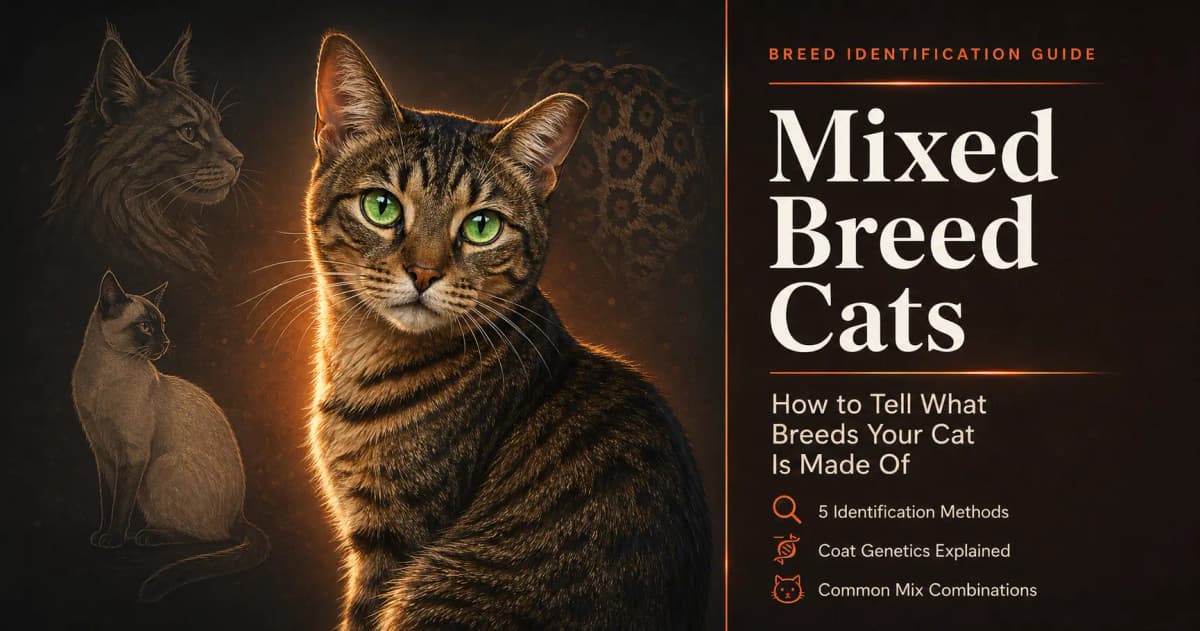
Does your cat have tabby stripes, tufted ears, and eyes that do something unusual? Learn how to read physical clues, behavioral signals, and coat genetics to figure out what breeds your mixed cat is made of.
From fluffy Maine Coons to sleek Siamese — discover the most popular domestic cat breeds, their personalities, care needs, and how to tell them apart.
A beginner-friendly guide to spotting the distinct physical markers of popular cat breeds.
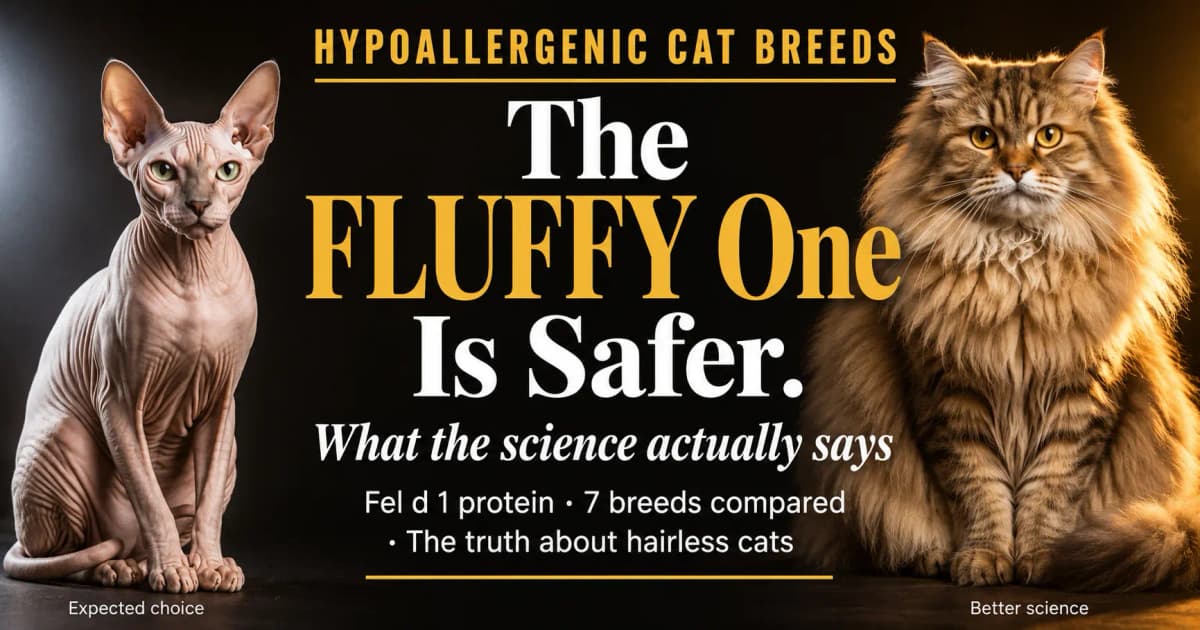
No cat is truly hypoallergenic — but some breeds produce dramatically less Fel d 1 protein than others. Here is what the science says and which cats are genuinely lower allergen.
Still wondering what cat breed you have? This guide walks you through the physical and behavioural clues that reveal your cat's breed background.
Mixed-breed cats can be tricky to identify — but AI photo analysis can reveal dominant breed traits and likely genetic mixes quickly and for free.
A plain-language explanation of how modern AI vision technology analyses fur patterns, skull shape, and body proportions to answer 'what breed is my cat?'
One of the oldest and most recognisable cat breeds — rich history, unique personality, and exactly what you need to know before getting one.
Famous for their relaxed temperament and beautiful blue eyes — learn about the fascinating Ragdoll breed trait, care needs, and personality.
Comparing the two most popular ways to find out what breed your cat is: AI photo identification vs cat DNA testing kits. We break down cost, speed, and accuracy.